
News & Events
Why Knowing Your Sphere of Influence Helps You Grow as a Leader

Leadership isn’t just about your job title. It’s about how you show up, who you impact, who you connect with and how you shape the workplace around you. That’s why identifying your personal sphere of influence is such a powerful tool for anyone looking to grow as a leader.
Let’s break down what your ‘Sphere of Influence’ means and how you can start using it to widen your influence and build meaningful connections.
What Is Your Sphere of Influence?
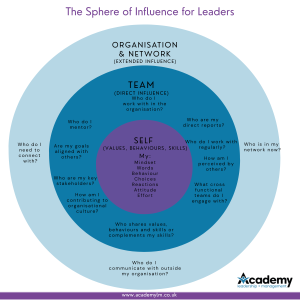
Think of your sphere of influence like a set of ripples in a pond, starting with you at the center and reaching outward:
- Self – Your values, mindset, behaviors, and credibility
- Team – The people you work with closely or manage directly
- Department – Cross-functional peers, collaborators, or project teams
- Organisation – Stakeholders who see your work from a distance, such as senior leaders, other departments even your clients.
Each level plays a part in your leadership presence. Once you know who sits where, you can begin to lead more intentionally.
How to Use Your Sphere to Become a Stronger Leader
Here’s a step-by-step way to connect your leadership goals to your influence so you can grow with purpose.
1. Start with Your Objective
What’s a leadership skill or habit you want to build?
For example, maybe your goal is to improve team communication and build psychological safety.
That gives you a clear focus. From there, everything else starts to align.
2. Define the Impact You Want to Have
Ask yourself, what positive change do I want to create?
In our example, that could be: a team that feels safe sharing ideas, gives feedback openly, and works more efficiently together.
This keeps your actions outcome-driven, not just task-based.
3. Decide How You’ll Measure Success
It’s hard to grow what you don’t track. Think of practical ways to measure your progress:
- Short team pulse surveys
- Noticing fewer misunderstandings
- More collaboration between roles
- More engagement in meetings
When you can see growth, you’re more likely to keep going.
4. Get Clear on What You Need to Do
Now, break it down. What actions will help you build that change?
Maybe you’ll:
- Start leading with more honesty and vulnerability
- Schedule consistent team check-ins (and don’t break appointments)
- Ask for feedback in meetings
The key here is to be intentional. Small steps add up fast.
5. Set a Realistic Timeline
Growth doesn’t happen overnight. Set a start date and checkpoints.
Try something like: start within the next two weeks and do a quick check-in every month to reflect on what’s working and what needs tweaking.
6. Remind Yourself Why It Matters
Without a clear “why,” it’s easy to lose momentum. So ask: why does this matter to me and help my team’s reputation in the organisation?
In this case, strong communication builds trust, drives performance, and helps people feel valued. That’s a win for everyone.
7. Identify Who to Engage in Your Sphere
Start by putting pen to paper and listing out everyone you regularly interact with. This can include direct reports, peers, cross-functional partners, clients, even leaders you rarely speak to but who see your work.
Once you have that list, ask yourself:
-
Who has the biggest influence on my goals?
-
Who can I support or learn from the most?
-
Where can I make the greatest impact?
From there, narrow it down. Prioritise the relationships that matter most right now and be intentional about where you invest your time and energy. Here are some people to consider
| Sphere Level | Who to Engage |
|---|
| Self | Reflect on your own habits and mindset |
| Team | Direct reports, peers you work with daily |
| Department | Cross-functional collaborators |
| Organisation | People who see your work from afar |
| Network | Mentors, industry peers, former colleagues, connectors |
Knowing who you’re trying to reach helps tailor your actions more effectively.
8. Decide How to Influence Them
This part ties everything together. How will you connect with these people?
Some ideas:
- Lead by example – what you do carries more weight than what you say
- Be intentional – adapt your approach depending on the person or group
- Be consistent – repetition builds trust and credibility over time
This is where real leadership begins to show up in how others respond to your presence and actions.
Ultimately, leadership is about positive connections. Once you know your sphere of influence, you can start leading with purpose, clarity, and real impact.
So take a moment, map out your sphere of influence, and use it to guide your next steps in building positive connections. Here is a handy graphic to get you started:
.
Want to grow your leadership confidence and impact?
Exploring your sphere of influence is a powerful first step but there’s so much more you can learn. Our management and leadership courses are packed with practical tools, real-life strategies, and expert support from our faculty to help you grow faster and lead smarter.
Take the next step in your career and join the Academy of Leadership & Management